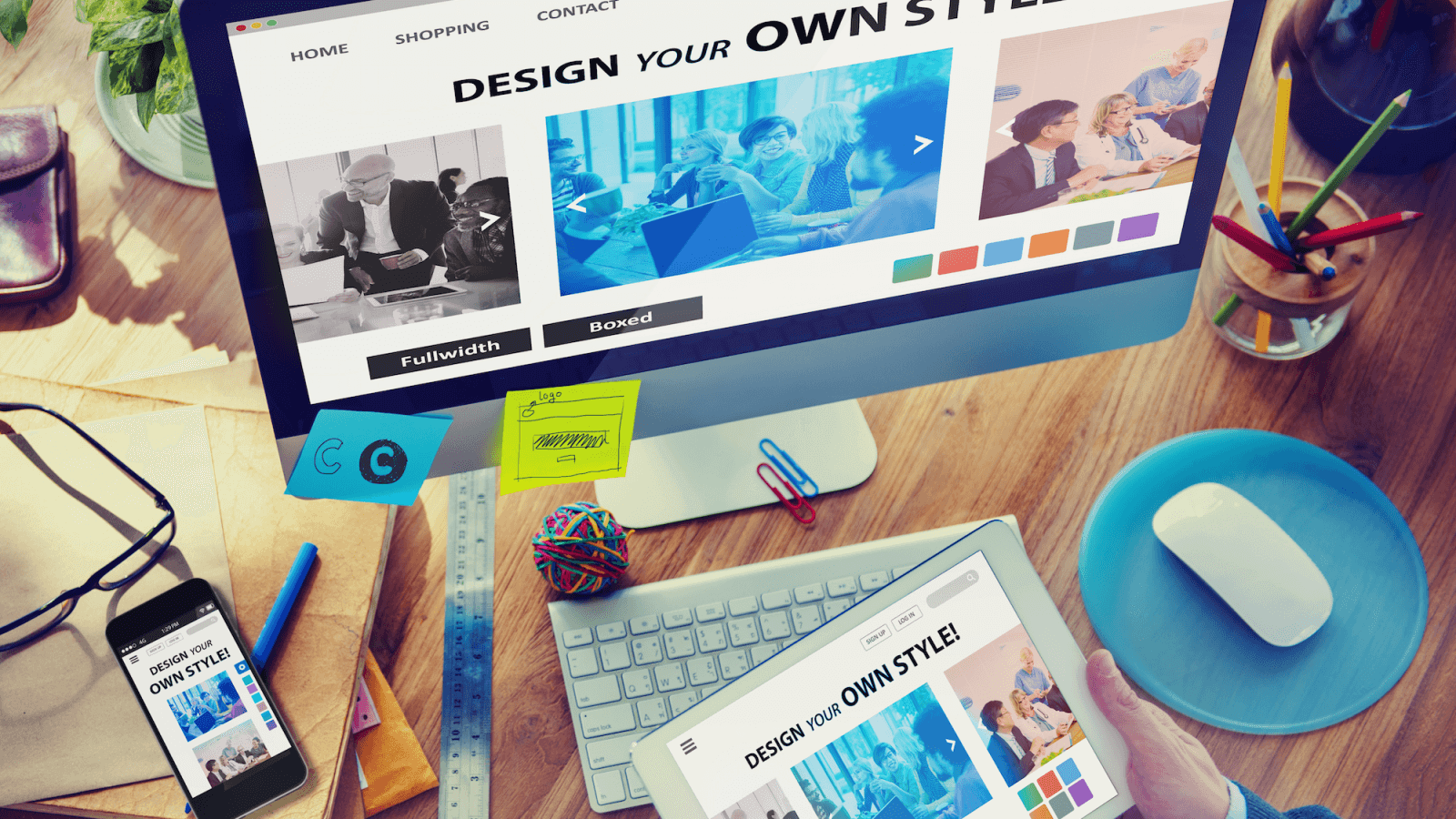

Hiring a website designer is one of those decisions that seems simple on the surface but can quickly become overwhelming. A quick search brings up thousands of portfolios, agencies, and freelancers, all claiming to deliver modern, high-performing websites.
The problem is not a lack of options. The problem is knowing how to choose the right one for your business.
A website is often the first real interaction customers have with your brand. If it feels confusing, outdated, or generic, trust erodes fast. That is why the process to hire a website designer needs to be thoughtful, not rushed.
Below are five practical steps that help business owners make smarter decisions and avoid costly mistakes.
Step 1: Get Clear on What You Actually Need
Before you speak to a single website designer, take time to clarify your goals.
Many businesses start with vague ideas like “I need a modern website” or “I want something better than what I have now.” That is not enough. Designers need context to deliver meaningful results.
Ask yourself:
- Is this website meant to generate leads, sell products, or build credibility?
- Who is the primary audience?
- Are you redesigning an existing site or starting from scratch?
- Do you need ongoing support or just a one-time build?
Being clear does not mean having every detail figured out. It means understanding the purpose of the site. Designers work best when they know the problem they are solving, not just the pages they are building.
Step 2: Look Beyond Visual Design
A common mistake when people hire a website designer is focusing only on visuals. While aesthetics matter, design is not just about how a website looks. It is about how it works.
A good website designer thinks about:
- User flow and navigation
- Page load speed
- Mobile responsiveness
- Content structure
- Conversion paths
When reviewing portfolios, ask questions. Why was a layout chosen? How does the design support user behavior? Does the site feel easy to use or just visually impressive?
Strong design balances form and function. If a portfolio looks great but feels confusing to navigate, that is a red flag.
Step 3: Evaluate Experience and Credibility
Experience matters, especially when your website plays a key role in your business.
Look for signs of real-world expertise:
- Case studies that explain challenges and outcomes
- Client testimonials with specific feedback
- Industry experience relevant to your business
- Clear explanation of the design process
This step ties directly into E-E-A-T. A credible website designer does not hide behind buzzwords. They explain how they work, what they specialize in, and what results they aim to deliver.
If you are looking for custom website design services, make sure the designer has experience building tailored solutions rather than recycling templates for every project.
Step 4: Understand the Process Before You Commit
Design projects often fail because expectations are misaligned.
Before you hire a website designer, ask about their process. Not just timelines and pricing, but communication and collaboration.
Important questions include:
- How do revisions work?
- Will you be involved in key design decisions?
- Who owns the final website files?
- What happens after launch?
A transparent process reduces friction and keeps projects on track. Designers who clearly explain how they work tend to be easier to collaborate with and more reliable long term.
This is especially important for businesses that want custom website design services, where flexibility and iteration are part of the process.
Step 5: Balance Budget With Long-Term Value
Budget always matters, but focusing only on the lowest price often leads to regret.
A website is not just a cost. It is an asset. A poorly built site can hurt credibility, reduce conversions, and require expensive fixes later.
When you hire web designer services, consider value instead of just price:
- Will this website support your business goals for the next few years?
- Is the design scalable as your business grows?
- Are you paying for strategy or just execution?
Sometimes paying a bit more upfront saves time, money, and frustration in the long run.
Common Mistakes to Avoid When Hiring a Website Designer
Even with the right steps, some mistakes are easy to make.
Avoid these pitfalls:
- Choosing solely based on price
- Ignoring mobile experience
- Skipping contracts or written agreements
- Not clarifying ownership and access
- Overloading the site with unnecessary features
Being proactive and asking the right questions helps you avoid these issues before they become problems.
Why the Right Website Designer Makes a Real Difference
A skilled website designer does more than create pages. They translate your business goals into a digital experience that feels clear, trustworthy, and intuitive.
When design aligns with user expectations, visitors stay longer. They explore more. They are more likely to take action.
That is the difference between a website that simply exists and one that actively supports growth.
Conclusion: Making the Right Choice with Confidence
Hiring a website designer does not need to feel risky or confusing. When you focus on clarity, experience, and process, the decision becomes much easier.
The goal is not to find the cheapest option or the flashiest portfolio. The goal is to find a designer who understands your business and knows how to turn that understanding into a functional, effective website.
If you are looking for reliable custom website design agency that combine strategy, creativity, and real business understanding, Web Design Lane is a strong place to start. Their team focuses on building websites that are not only visually polished but also designed to perform, scale, and support long-term growth.
When you are ready to hire web designer support that feels collaborative rather than transactional, partnering with experienced professionals can make all the difference.