

Nowadays, more and more businesses, including law firms, are building websites to entice possible patrons. But with about two billion websites online, quickly getting on the web can’t cut it.
As more law companies start their digital presence, you need to do more to stand out from the race. Search Engine Optimization, commonly known as SEO, is one way to do just that. Web Design Lane is one of the best law firm web design companies, and they bring these fantastic tips for you.
Dedicating time to SEO will help you rank higher on Google and other search engine result pages for pertinent inquiries, making it easier for possible customers to find you. The right strategies will also help you appear in more ‘near me’ searches. You’ll drive more organic website traffic, build your expertise, and increase your conversions.
With fierce rivalry on the web, optimization isn’t something you should ignore. Here are some steps to help you out:
1. First, Focus on Your Website!
Think of your website as a home base. Until your own house is in good order, you don’t want to waste energy elsewhere. Step one of your website: “great messaging“. Before you move forward with anything else, you want to have clear insights into:
- “Who is your audience?”
- “What problem can you solve for them?”
- “What are the main pain points of your potential users?”
Don’t rush through this part of the process. Make sure that vital team members agree on the answers to all of these bullet points; otherwise, you risk being unproductive or even counterproductive. Once this is accomplished, ensure that you speak to your target audience using suitable language, tone, and vocabulary.
2. Find Your Company’s Keywords!
Law firm SEO starts with defining the keywords you want to rank for on search engines. Begin with the main practice areas and broaden your keywords to related terms.
It’s better to use an SEO tool to help you recognize, track, and optimize your keywords. Some examples include Moz and SEMrush. If you’re looking for free options, Google Trends can help you track keyword search trends, and Answer the Public can help identify relevant searches and questions.
3. Incorporate Keywords Naturally (Avoid Keyword Stuffing!)
Once you’ve researched your keywords and determined which ones have high search volume and low competition, add them naturally to your home page, landing pages, and blog posts.
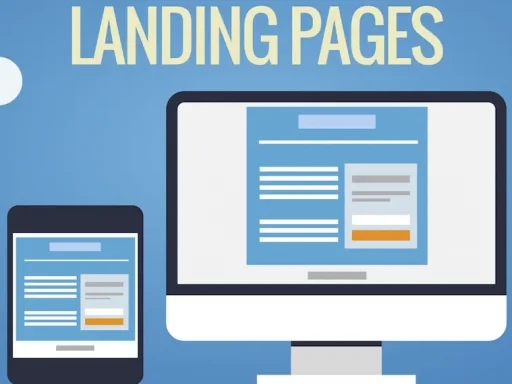
Consider making distinct landing pages for different keywords or phrases. This method helps you increase visibility by providing more in-depth and helpful information for each search inquiry.
Also, be sure to add local keywords. Going local allows people in your service area to find you more easily. You’re more likely to appear on a “near me” search if you include them in your web content.
4. Craft Useful and Helpful Content!
Creating blog content does a few things to improve your SEO:
- Adding fresh and relevant content helps boost rankings.
- You improve user experience by providing potential customers with helpful info that showcases your expertise.
- Blog posts allow you to target secondary keywords and cover a variety of search queries.
High-value content not only helps people find your law firm online but also builds lasting trust.
5. Include SEO-Optimized Title Tags and Metadata!
Title tags and metadata provide both customers and search engines with information about your webpages.
- The title tag is an HTML element that signifies the title of your webpage. It appears in search engine result pages (SERPs), so including high-volume keywords is an excellent way to increase visibility.
- The metadata provides details about your webpage to search engines.
Be sure to add keywords to both.
6. Provide a Good User Experience!
People often leave a website because of poor user experience. Make sure your website is visually appealing and easy to navigate. Speed and mobile-friendliness are also musts. You can use free tools to test mobile friendliness and loading speeds to ensure you’re providing the best possible experience.
7. Strengthen SEO with Smart Linking!
Internal links and external backlinks are vital for SEO:
- Internal links make it easier for users to navigate your site.
- External links build domain authority and make your site more trustworthy.
One way to build backlinks is to get listed on legal directories such as Avvo.com and Lawyers.com. You can also try guest posting or collaborating with other businesses.
8. Create Google My Business Profile!
Along with adding local keywords to your website, creating your Google My Business (GMB) page helps boost visibility.
Your GMB page provides all the vital info about your business to both potential customers and Google’s search engine algorithms. Include contact details, location, hours, photos, practice areas, and other relevant information.
SEO: A Path to Greater Visibility for Law Firms
These quick lawyer SEO tips can help increase your visibility, making it easier for potential customers to find your office over your competition.
For more law firm SEO tips, Web Design Lane is here to help. We have the tools and expertise to ensure your law firm is found online and connected with the right audience. As you implement SEO strategies into your digital marketing, remember to benchmark your progress.