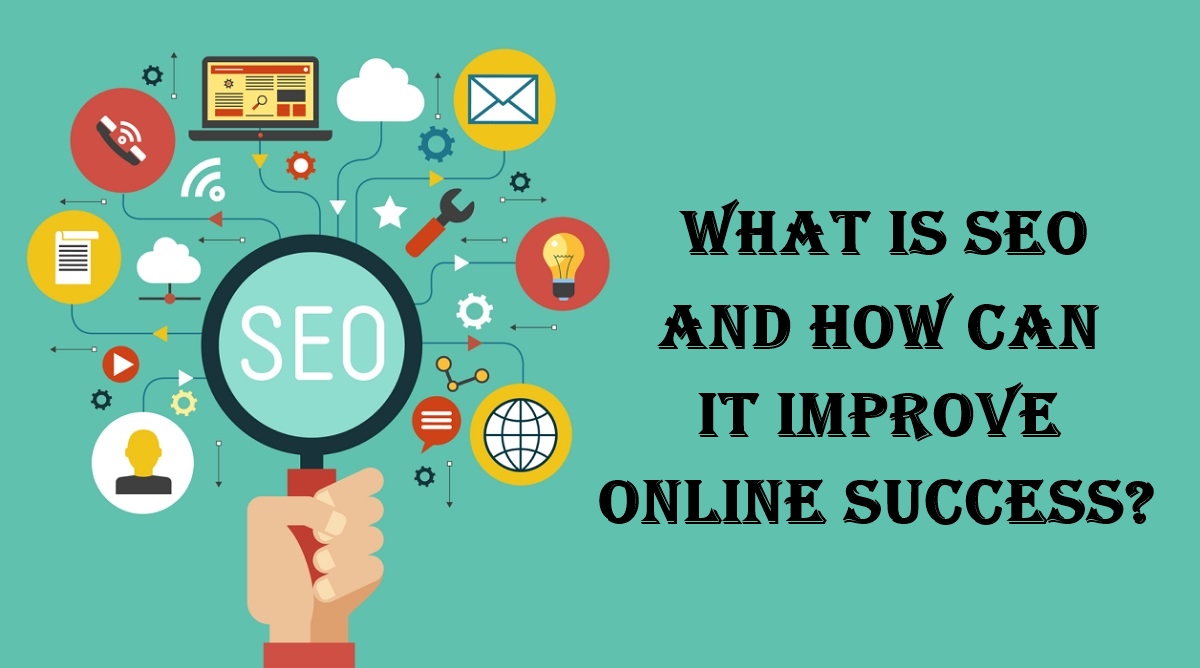

What is Search Engine Optimization (SEO)?
SEO is a common name for search engine optimization. It is a standard term that everyone knows it better nowadays. Even a three-year-old kid can understand about SEO and he can browse various combinations of key search terms that comes in his mind to explore the internet. Hence, today, we live in an era of technology and have chatbots so there is no need for typing on the search bar remains anymore now. People can voice communicate with chatbots to get their answers and results on their smartphones and tablets. However, the origination of SEO started back in 1990 with the advent of Yahoo. Google did not exist that time. It launched some years later.
The Role of Search Intent in SEO
Search intent is at the heart of modern SEO. In the early days, businesses relied on online directories to get listed, but customers often had no way of discovering their actual websites. Google solved this by introducing algorithm-driven search, designed to deliver the most relevant results to user queries.
Every search query reflects a purpose — whether it’s to learn something, compare options, make a purchase, or find a specific site. These purposes are commonly divided into:
-
Informational – looking for knowledge or guidance
-
Navigational – searching for a specific website or brand
-
Commercial – exploring options before making a decision
-
Transactional – ready to buy or take action
By aligning content with these different intents, businesses can not only rank higher but also provide users with exactly what they’re looking for.
Core Principles of SEO: Crawling and Indexing
Hence, SEO provides enormous benefits to businesses to organically rank their websites on the first page of search listings. However, your top position is not permanent forever. It is a wrong concept for businesses that drops their ranking and falls in down from the index. SEO is a fluctuating process. It is a constant struggle to win the battle of search. One who endeavors can appoint professional SEO services company for last long ranking on their website on the first position. Therefore, two things always matter in SEO. One is crawling and another is indexing. They are basic principles of search engine optimization that everyone has to learn and practice to list and rank their websites on the top. SEO is a bit complicated game that requires a strong understanding of the on-page and technical. Off-page marketing comes after these procedures and practices. It is all about keeping patience and persistence. When you lose patience at any moment, you are gone and you have to make effort right from the scratch.
Here are verified techniques to improve online success using SEO:
Strengthen Your On-Page
Businesses must focus and keep concentration on strengthening their on-page SEO efforts. They work hard on on-page and do not miss any single element that comes in optimization of website. They can begin with a meta title, description, h1, URL, Image, internal linking, schema markup, and content. There are more than 200 factors exist on SEO but implementing a few can also revolutionize your business. Using them can impact profoundly on your website and it start showing ranking on the search. However, you can add some other core elements such as XML sitemap and robots.txt file.
Robust Technical SEO
Technical SEO is not a direct part of website. However, it affects positively on the healthy or unhealthy state of your website. These crucial factors include https, SSL certificates, domain age, who is, IP registration, web hosting, website speed and functionality. However, mobile responsiveness is also an integral element of SEO and put a deep impact on ranking. So, your website must be responsive or have another mobile based version. Website security and accessibility are requirements for technical SEO to check the safety factors of your business. You can fix broken 404 pages with technical SEO and inspect your crawl and index ratio of your website.
Keyword Research
Keywords are essential components of SEO. The entire structure of search engine optimization is based on keywords and backlinks. Excluding them from the SEO, nothing remains back. So, you must focus on finding the most accurate search intent keywords for your website. Now, the question arises, how would your read the searcher’s mind? However, the answer is simple, to determine from their search terms. For instance, a visitor wants to explore your website, he will directly reach your website from the URL. The searcher uses organic keywords to find your website is an essential step to put all those keywords in your website. Businesses should use the comprehensive brainstorming technique to come up with ideas of keywords that match your business requirements. They should list down and note down these keywords for use.
Spread the Keywords in Content (Naturally!)
Keyword stuffing is a sign of crime in SEO. You must not do it. However, you can use a natural ratio of keywords that is not more than one percent. In this ratio, you can categorize your keywords into primary and secondary. Use the primary in title, description, URL, and H1. Place the secondary keywords in your content and use more synonyms and varieties of keywords to implement them into your written content. It makes your content accessible for search. Content must be original and utilize relevant keywords to meet their genuine goals and requirements. Moreover, they can better hire top social media marketing services in the USA to boost their content for their brands and get overnight fame and success.
Conclusion
Hence, in a nutshell, these are testified practices for improving the quality of ranking of your SEO. It is a long-term procedure that takes time. Clients have to understand this fact and do not argue much with their marketers. They have to keep patience to see fruitful results. Patience has a sweet outcome that provides peace, happiness, and satisfaction to people. So, you need to be consistent in what strategy you choose for optimization. Every strategy can work and anytime. There are no fixed rules in SEO and it gives a flexible choice for marketers to implement their own plans to get desired and optimum results.